See It, Understand It, and Respond: WHO Explained
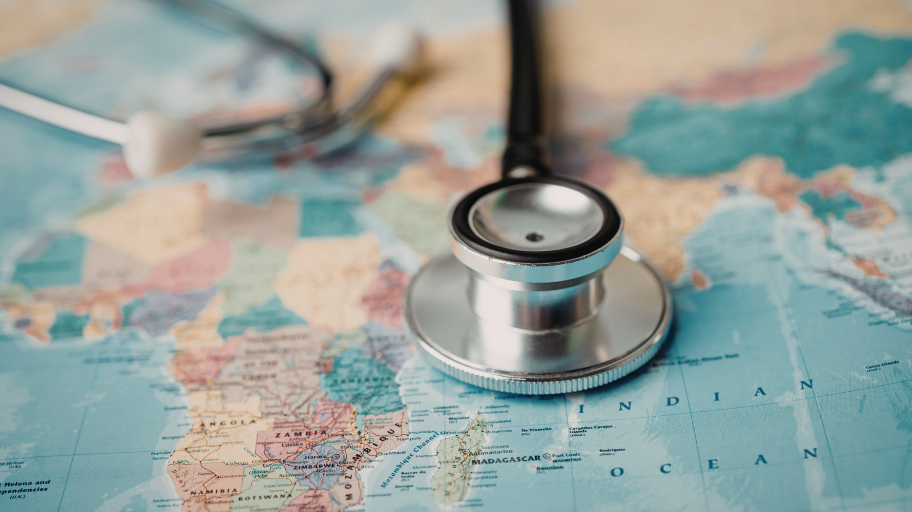
The World Health Organization (WHO) exists for one reason: to keep the world healthier, safer, and better prepared. It sets global health priorities, coordinates international responses, and helps countries build systems that actually work when crises hit. It operates at the intersection of science, policy, and diplomacy—where decisions can impact millions overnight. And when a health threat emerges anywhere, WHO’s job is to make sure the world sees it, understands it, and responds fast.
The Big Picture
Diseases don’t respect borders. Neither can the response.
WHO was founded in 1948 as part of the United Nations with a simple but ambitious goal: “Health for all.” That doesn’t just mean treating illness. It means preventing it, detecting it early, and making sure care is accessible—whether you’re in New York or rural Kenya.
The Mission
Let’s take a look at how that mission plays out in real life:
- Setting the global playbook
WHO writes the guidelines the world follows. From vaccine schedules to air quality standards, it defines what “good” looks like in healthcare. When countries need to build policies fast, WHO provides the blueprint. - Coordinating during crises
Think pandemics, outbreaks, and emergencies. During events like COVID-19, WHO acts as the central hub—sharing data, issuing recommendations, and aligning countries on response strategies. It doesn’t run every country’s response, but it keeps everyone moving in the same direction. - Expanding access to care
WHO works to close the gap between those who have healthcare and those who don’t. That includes supporting vaccination campaigns, improving maternal health, and tackling diseases like malaria, HIV, and tuberculosis especially in low-resource settings. - Strengthening health systems
Hospitals, supply chains, trained staff—none of it happens by accident. WHO partners with governments to build infrastructure that can handle both everyday care and unexpected shocks. - Tracking the world’s health
Data drives decisions. WHO collects and analyzes global health data to identify trends, flag risks, and guide policy. If something is spreading, or about to, WHO is usually among the first to know.

The Tension
Politics. WHO has influence, not authority. It can recommend, guide, and coordinate, but it can’t force countries to act. That makes diplomacy just as important as science. That limitation has also made WHO a political lightning rod, most notably during the Trump administration, which continues to criticize the organization’s handling of COVID-19 and, as of early 2026, withdrew U.S. funding and membership. This episode underscores a core challenge: WHO’s effectiveness depends heavily on the trust, funding, and cooperation of its member states.
The Reality Check
Funding and politics matter. WHO relies on contributions from member states and partners, which can shape priorities and limit speed. Still, when global health is on the line, it remains the closest thing the world has to a central command.
Learn the Details
Global health isn’t just a public health issue—it’s a business issue. Supply chains, workforce productivity, regulatory decisions, and market access all hinge on how health systems perform. Discover how science, policy, and global coordination intersect with Biotech Primer’s Deep Dive: Drug Pricing, Policy, and Utilization Immersion and become fluent in the forces shaping the healthcare worldwide.

Biotech Primer is your go-to source for interactive training across the biotechnology, pharmaceutical, molecular diagnostics, and medical device sectors. Explore a range of in-depth biotech courses designed to deepen your understanding of key principles and applications in the field.
Learn More