Artemis II Isn’t Just a Moon Mission, It’s a Lab
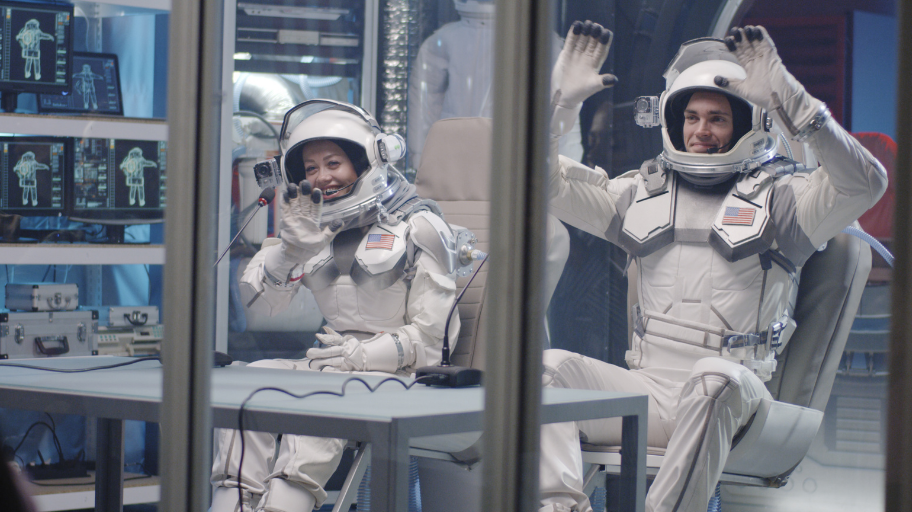
Here’s the deal: NASA isn’t sending humans around the Moon just to prove it can. Artemis II is carrying a suite of biological experiments designed to answer one question that matters for business, science, and survival: What happens to life when you leave Earth for real?
If humans are going to live, work, and commercialize space, we need to understand how biology behaves beyond low Earth orbit. That means deeper radiation, longer missions, and no quick trip home.
Experiment #1: Radiation Risk Assessment
Named: RadBio Study
Intent: Measure how deep-space radiation affects living systems.
Space isn’t just empty, it’s full of high-energy radiation that can damage DNA. Artemis II travels beyond Earth’s protective magnetic field, exposing biology to a harsher environment than the International Space Station.
How it works:
- Biological samples (like yeast and plant cells) are placed inside radiation-monitoring containers.
- Sensors track radiation exposure in real time.
- Scientists compare pre-flight and post-flight DNA damage to quantify risk.
Why you care: Radiation isn’t just a space problem. Understanding DNA damage pathways feeds directly into cancer research, drug development, and radioprotective therapies.

Experiment #2: Deep Space Living Systems
Named: BioSentinel Follow-On Study
Intent: Understand how living cells repair themselves in deep space. This is an extension of the previous BioSentinel study.
How it works:
- Cells are stored in controlled chambers within the Orion spacecraft.
- Automated systems activate the samples during flight.
- Cellular stress responses—like DNA repair—are measured through biochemical markers.
The punchline: Cells behave differently in deep space. If repair mechanisms fail, long-term human missions become risky. If they adapt, we unlock safer exploration and new biological insights.
Experiment #3: Space Crop Systems
Named: Plant Growth & Metabolism Study
Intent: Learn how to grow food beyond Earth, because you can’t run a lunar or Mars economy without sustainable food systems.
How it works:
- Seeds are exposed to deep-space conditions during flight.
- After return, scientists analyze germination rates, mutations, and metabolic changes.
- Comparisons are made to Earth-grown controls.
Why it matters: This is early-stage work toward space agriculture and, surprisingly, better crops on Earth. Stress-tested plants often reveal traits useful for climate resilience.
Experiment #4: Human Physiology Monitoring
Named: Crew Biometrics Study
Intent: Track how the human body responds to deep space in real time.
How it works:
- Astronauts wear biometric sensors measuring heart rate, sleep cycles, and stress.
- Blood and other samples are collected before and after flight.
- Data is analyzed for immune response, bone density changes, and metabolic shifts.
Bottom line: This is the bridge between short-term missions and long-duration human spaceflight, and ultimately, space-based industries.
The Big Picture
Artemis II is not just a mission. It’s a turning point. Biology is becoming a space industry. From drug development to agriculture to human performance, the data collected here feeds directly into billion-dollar decisions. And here’s the kicker: The companies that understand this biology first will shape the future of space commercialization.
Understand What All of This Means for Business
Biotech Primer translates the science, the regulatory strategy, and the commercial opportunity into plain English so you can keep up in meetings where space, biotech, and big money collide. Check us out today at www.BiotechPrimer.com.

Biotech Primer is your go-to source for interactive training across the biotechnology, pharmaceutical, molecular diagnostics, and medical device sectors. Explore a range of in-depth biotech courses designed to deepen your understanding of key principles and applications in the field.
Learn More