Detect, Treat, Contain: Hantavirus Explained
Most people don’t expect a mouse scurrying across a garage floor to become a biotech story. But Hantavirus has a habit of doing exactly that.
The virus is rare, deadly, difficult to diagnose early, and a constant reminder that infectious diseases can emerge from places nobody expects. For biotech companies, hantavirus represents something bigger: the race to detect, treat, and contain the next viral threat before it spreads.
What It Is
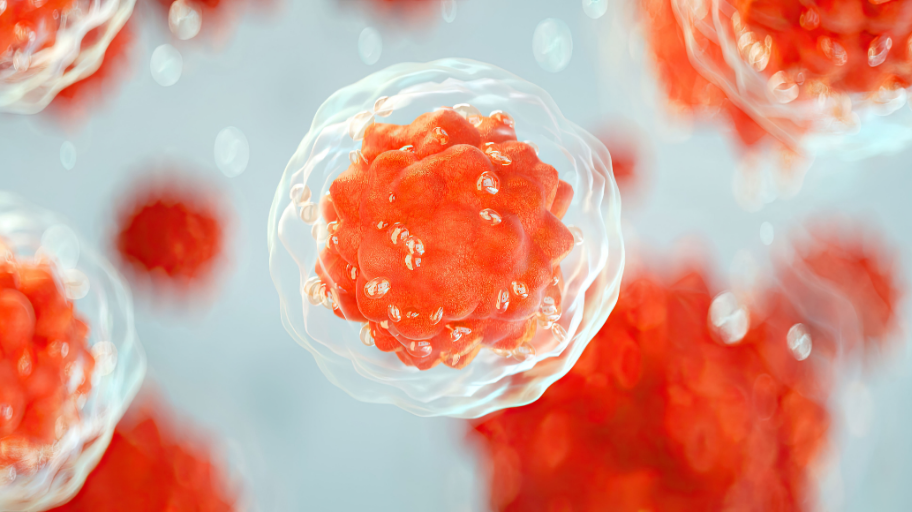
Hantavirus is a family of viruses spread primarily by rodents. It can cause Hantavirus Pulmonary Syndrome (HPS), a severe respiratory disease with a mortality rate approaching 40%. Not exactly a virus you want to underestimate.
Humans usually become infected after breathing in tiny airborne particles contaminated with rodent urine, droppings, or saliva.
Translation: cleaning an old shed can become unexpectedly dangerous.
Why It Matters
Hantavirus outbreaks have pushed advances in molecular diagnostics, antiviral research, and vaccine technology. It’s also one of the clearest examples of how biotechnology responds when nature throws a curveball.


Diagnosis
There’s currently no FDA-approved cure specifically for hantavirus. Treatment is mainly supportive care, oxygen therapy, ventilation, and aggressive ICU monitoring.
That puts enormous pressure on diagnostics. Biotech tools used to identify hantavirus include:
- PCR molecular testing
- ELISA antibody assays
- Viral genome sequencing
- Immunohistochemistry testing
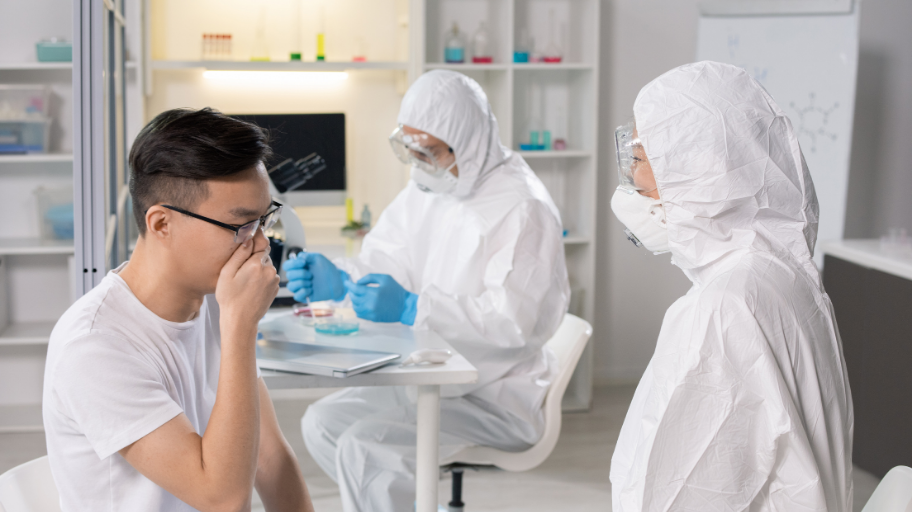
PCR testing is especially important because hantavirus symptoms overlap with so many respiratory illnesses. Molecular diagnostics allow physicians to identify the virus quickly before patients deteriorate.
The same biotech infrastructure built during COVID-19 is now helping researchers monitor emerging viral threats like hantavirus more effectively.
Antivirals
Researchers continue investigating:
- Broad-spectrum antiviral drugs
- Monoclonal antibodies
- RNA-targeted therapies
- mRNA vaccine platforms
Yes, the same mRNA technology used in COVID-19 vaccines could eventually help combat hantavirus.
That’s the biotech lesson here: platform technologies matter because scientists can adapt them rapidly when new threats emerge.
Outbreak
Hantavirus is making global headlines again. This month, the luxury expedition cruise ship MV Hondius became the center of an international hantavirus outbreak after multiple passengers fell ill. At least three passengers died, several others tested positive, and governments across more than 20 countries began monitoring or quarantining returning travelers.
Be Prepared
Hantavirus highlights why biotechnology matters.
Every outbreak drives demand for faster diagnostics, smarter surveillance systems, antiviral innovation, and adaptable vaccine platforms. The companies building those tools aren’t just responding to disease, they’re preparing for the next one.
Discover how infectious diseases move from outbreak to diagnosis, clinical trials, regulatory approval, and commercialization with Biotech Primer’s biotech, drug development, and diagnostics courses. Learn the science behind modern medicine and start contributing to smarter business decisions, faster.

Biotech Primer is your go-to source for interactive training across the biotechnology, pharmaceutical, molecular diagnostics, and medical device sectors. Explore a range of in-depth biotech courses designed to deepen your understanding of key principles and applications in the field.
Learn More