Better Drug Decisions: Organoids Explained
Biotech just got a lot smaller—and a lot smarter. Organoids are mini, lab-grown versions of human organs, and they’re quickly becoming one of the most powerful tools in drug development.
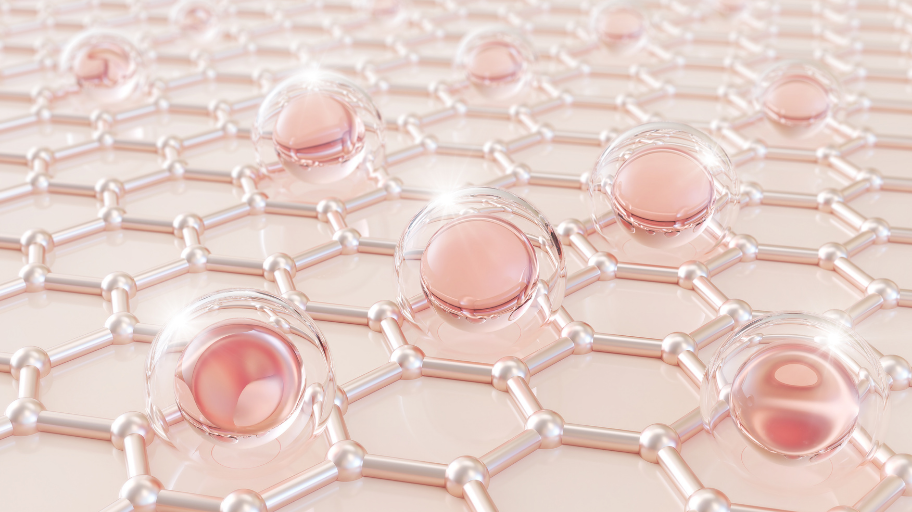
Organoids are 3D clusters of human cells grown from stem cells that self-organize into structures that mimic real organs like the brain, liver, gut, and even tumors. Think: a “mini-organ” in a dish that behaves enough like the real thing to run experiments on. They’re not full organs. No one’s transplanting these anytime soon. But they are realistic enough to give scientists something they’ve always wanted: a human model that actually acts human.
Why Biotech Is Obsessed
Traditional lab models are… flawed.
- 2D cell cultures are overly simplistic.
- Animal models don’t always predict human outcomes.
Enter organoids. They bridge the gap. Researchers can now study disease in tissue that behaves more like the human body. Cancer organoids, for example, can retain the biology of a patient’s actual tumor—making them powerful tools for understanding how disease really works.
The Real Unlock
This is where business leaders should lean in. Organoids allow companies to test drugs on human-like systems earlier in development. That means:
- Better prediction of whether a drug will work.
- Earlier identification of safety issues.
- Fewer expensive failures in late-stage trials.
Translation: lower risk, better ROI, faster timelines.
Personalized Medicine Gets Real
Here’s the headline-grabber: patient-derived organoids. Scientists can take a sample from a patient, say, a tumor biopsy, and grow it into an organoid in the lab. Then they test multiple drugs on it to see what works best. It’s essentially a dress rehearsal for treatment. Not science fiction—this is already happening in oncology research.
Regulators Are Paying Attention
The FDA is signaling a shift. Recent guidance and announcements point toward reducing reliance on animal testing and increasing the use of human-relevant models like organoids and organ-on-a-chip systems. That’s a big deal. When regulators start leaning in, adoption accelerates.

The Catch (because there’s always one)
Organoids aren’t perfect.
- They can be hard to standardize.
- Not all organ systems are equally developed.
- Scaling for widespread use is still a work in progress.
In short: powerful but still evolving.
Bottom Line
Organoids sit at the intersection of science, strategy, and economics. They have the potential to improve how drugs are developed, reduce costly failures, and unlock more personalized therapies.
For non-scientists, this isn’t just cool biology. It’s a glimpse into how the next generation of biotech companies will compete and win.
Want To Actually Understand This Stuff?
Organoids are just one piece of a much bigger puzzle. Once you understand how drugs are discovered, developed, and manufactured, you start to see where the real business decisions happen.
Explore Biotech Primer’s courses and become fluent in the science driving billion-dollar decisions. Register for Biotech Primer’s Drug Development Executive Certification and set yourself apart!

Biotech Primer is your go-to source for interactive training across the biotechnology, pharmaceutical, molecular diagnostics, and medical device sectors. Explore a range of in-depth biotech courses designed to deepen your understanding of key principles and applications in the field.
Learn More