Organoids, Tissue Chips, Algorithms: NAMs Explained
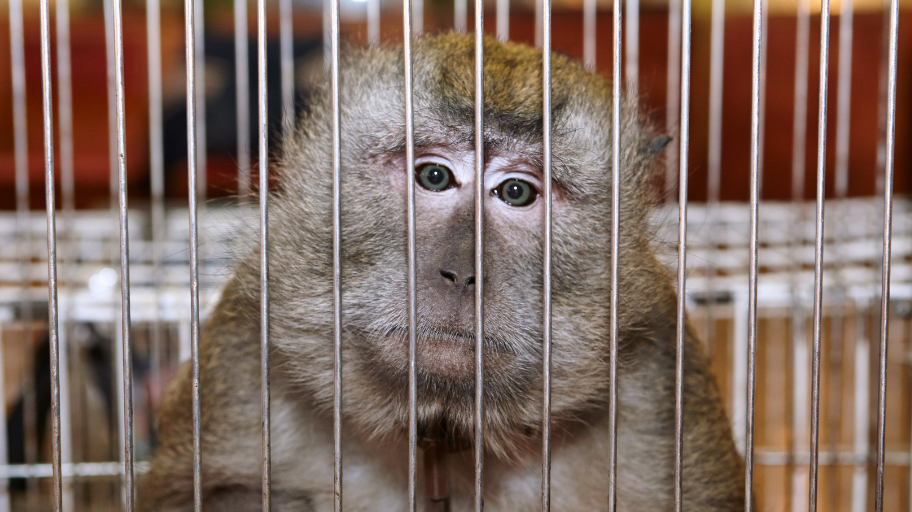
New Approach Methodologies (NAMs) are the shiny, new, non-animal tools taking drug development by storm! And NAMS just got a massive boost from the FDA. The agency just dropped a new draft guidance aimed at reducing overall reliance on non-human primates testing. Translation: the agency is officially signaling, “We see you, modern science!”
Why It Matters
For decades, toxicology looked like this:
- rodent studies
- rabbit studies
- dog studies
- six-month monkey studies
- rinse and repeat
But for predictable antibody drugs, NAMs can provide regulators with the safety signals they need without resorting to multi-species testing marathons.
This guidance doesn’t ban animal studies (sorry, mice models), but it confirms a major mindset shift: long, expensive, animal-heavy tox packages are no longer the only path to approval.
NAMs Cheat Sheet a.k.a. “NAM-splaining”
NAMS equals:
- In vitro models (organoids, tissue chips, cell cultures)
- Computational toxicology and machine-learning predictors
- Mechanistic data from well-defined pathways
- Human-relevant clinical and real-world data
- Shorter, smarter animal studies only when needed
The mission: Replace. Reduce. Refine.


Fewer Monkeys, More Modern Science
The recent draft guidance focuses on monospecific monoclonal antibodies. These tend to behave predictably, making them prime candidates for NAM-based evaluation.
What’s Changing
1. Six-month primate studies? No longer the default
Sponsors can now rely on three-month studies in dogs and minipigs. Primates? Only when justified.
2. In some cases, no primate studies at all
If similar antibodies have already been tested or used clinically against the same target, no monkey testing needed.
3. FDA is inviting scientific creativity.
They want sponsors to blend:
- Mechanistic data
- In vitro results
- PK/PD modeling
- Prior human safety data
The Tox Takeaway
NAMs are moving from the back row to center stage:
- CMC teams must incorporate model-based + mechanistic reasoning.
- Toxicologists will spend more time synthesizing in vitro + computational outputs.
- Regulatory teams will treat NAMs as standard practice, not “alternatives.”
Bonus: Faster timelines. Lower costs. Fewer animal studies all around.
The Big Picture
NAMs aren’t the future—they’re the now! They’re regulatory-recognized, development-accelerating, ethically aligned, and quickly becoming the new normal for biologics safety assessment.
Keep On Learning
Preclinical Development Primer 101 unpacks tox, CMC, and the regulatory maze in the crisp, no-jargon voice busy professionals actually enjoy. You’ll walk away knowing exactly how NAMs help rocket drugs into first-in-human studies.

Biotech Primer is your go-to source for interactive training across the biotechnology, pharmaceutical, molecular diagnostics, and medical device sectors. Explore a range of in-depth biotech courses designed to deepen your understanding of key principles and applications in the field.
Learn More